
Ready to Save $10,000 This Year? My Proven, Realistic Strategies for Financial Success
Can you *really* save a significant sum like $10,000 in just one year? I hear that question often, usually from people feeling overwhelmed by their current financial situation. My answer, based on years of personal experience and advising others, is a resounding yes. It’s not about magic tricks or extreme deprivation; it’s about realistic budgeting strategies that genuinely work when applied consistently. If you’re serious about taking control of your money, let me show you how to hit that impressive $10,000 goal, step by practical step.
The path to saving $10,000 this year might seem daunting, but it breaks down into manageable actions. It requires commitment, a bit of discipline, and a willingness to look critically at your spending habits. What I’ve found is that most people *can* find areas to optimize, often without feeling like they’re missing out on life. Let’s dive into the strategies that will make your financial goals a reality.
The Foundational Steps to Save $10,000 This Year
Before we even think about cutting costs or earning more, we need a clear picture of your money. This isn’t just about knowing what you spend; it’s about understanding *where* it goes and *why*. This foundational work is absolutely critical if you aim to save $10,000 this year.
Getting Crystal Clear: Tracking Your Expenses
I advise starting with an honest assessment of your current financial landscape. For at least 30 days, track every single penny you spend. Yes, every coffee, every streaming service, every unexpected impulse buy. Use an app, a spreadsheet, or even a simple notebook. The goal here isn’t to judge yourself; it’s to gather data. You might be surprised where your money truly goes. In my experience, many people discover “money leaks” they didn’t even know existed – those small, frequent purchases that add up significantly.
Setting Your Budget: The Blueprint to Save $10,000 This Year
Once you have a month’s worth of data, it’s time to build your budget. There are many budgeting methods out there, but I’ve personally had great success with a hybrid approach, leaning towards a zero-based budget.
- Zero-Based Budgeting: This isn’t about having zero money left; it means every dollar has a job. Income minus expenses (including savings) should equal zero. This forces you to be intentional with every dollar, making it a powerful tool to save $10,000 this year.
- How it works: List all your income for the month. Then, assign every dollar to a category: rent, groceries, transportation, debt payments, and, most importantly, *savings*.
- My recommendation is to allocate a specific amount for your $10,000 goal right at the top, just like you would for rent. This makes savings a priority, not an afterthought. To save $10,000 in 12 months, you’re looking at roughly $833 per month. Can you make $833 a non-negotiable line item in your budget?
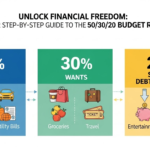
- The 50/30/20 Rule: A simpler alternative, allocating 50% of your income to needs, 30% to wants, and 20% to savings and debt repayment. While effective, for an ambitious goal like saving $10,000, you might need to adjust these percentages, perhaps aiming for 30-40% towards savings if possible.
The key is to choose a method you can stick with. Consistency trumps complexity every single time.

A person reviewing a budget spreadsheet, demonstrating strategies to save $10,000 this year

Smart Spending: Cutting Costs to Help You Save $10,000 This Year
Now that you have your budget blueprint, it’s time to identify areas where you can trim expenses without feeling deprived. This isn’t about eliminating joy; it’s about optimizing where your money goes.
Unearthing Savings: The Subscription Audit
Most of us are guilty of “subscription creep.” We sign up for a free trial, forget about it, and suddenly we’re paying for five streaming services, two gym memberships we don’t use, and a dozen apps. This is a prime area to make a significant impact on your ability to save $10,000 this year.
- Action Plan: List every single subscription you have. Be ruthless. Do you use it regularly? Does it bring you significant value? If not, cancel it. Even cutting $50-$100 a month here can free up $600-$1200 annually. That’s a huge chunk towards your $10,000 goal.
Mastering Groceries and Food Costs
Food is often the second-largest expense for many households after housing. Small changes here can lead to big savings.
- Meal Planning: Plan your meals for the week, create a precise shopping list, and stick to it. Avoid impulse buys.
- Cooking at Home: Eating out, even fast food, adds up quickly. Dedicate yourself to cooking more meals at home. My advice is to try cooking in bulk and freezing portions for busy days.
- Smart Shopping: Buy generic brands, look for sales, and never shop hungry.
- Coffee Savings: That $5 daily latte? It’s $25 a week, $100 a month, and $1,200 a year. Making coffee at home is a simple, effective strategy to save $10,000 this year.
Rethinking Transportation and Entertainment
These categories often contain hidden pockets of money you can reallocate.
- Transportation: Can you carpool, use public transport, bike, or walk more often? Small shifts can reduce fuel costs, parking fees, and wear and tear on your vehicle.
- Entertainment: Instead of expensive nights out, explore free or low-cost activities. Picnics in the park, board game nights, hiking, or using your local library for books and movies.
Boosting Your Income: Accelerating Your Progress to Save $10,000 This Year
Cutting expenses is powerful, but sometimes you hit a wall. That’s when boosting your income becomes a crucial lever to pull.
Side Hustles: Small Wins That Add Up to Save $10,000 This Year
Consider what skills you have or what services you can offer.
- Freelancing: Writing, graphic design, web development, virtual assistant services.
- Gig Economy: Driving for a ride-share, delivering food, dog walking, babysitting, tutoring.
- Selling Unwanted Items: Declutter your home and sell items you no longer need on platforms like Facebook Marketplace, eBay, or local consignment shops. Every $50-$100 you make from old electronics or clothes directly contributes to your $10,000 goal.
The beauty of a side hustle is that the income is often “extra” and can be entirely dedicated to your savings goal.
Negotiate Your Worth: Asking for a Raise
If you’re employed, evaluate if you’re being paid fairly. Research industry standards for your role and experience. Prepare a case outlining your contributions and achievements, then schedule a meeting with your manager to discuss a raise. Even a modest raise can significantly impact your ability to save $10,000 this year.
My Honest Opinion on How to Save $10,000 This Year
Let me suggest something critical here: saving isn’t always about grand sacrifices; it’s often about shifting your mindset from “I can’t afford that” to “How can I make this work for my financial goals?” In my experience, the biggest hurdle isn’t the budget itself, but the emotional baggage tied to money. We often equate spending with happiness or status, which is a dangerous trap.
My honest opinion is that you need to get *uncomfortable*. Not painfully uncomfortable, but comfortably uncomfortable. This means saying “no” to things you used to say “yes” to without thinking. It means consciously choosing the cheaper alternative, even when the more expensive one is tempting. It might mean passing on that weekend trip with friends one time, or bringing lunch to work every day for a month instead of buying it. It’s hard, yes, but the feeling of watching that savings account grow, knowing you’re working towards a concrete goal like $10,000, is incredibly empowering. Many people quit because they expect perfection. You won’t be perfect. You’ll make mistakes. But the most important thing is to get back on track immediately. Don’t let one slip-up derail your entire year.
Maintaining Momentum: Staying on Track to Save $10,000 This Year
Saving $10,000 isn’t a one-time decision; it’s a series of consistent actions. Here’s how to keep the momentum going.
Automate Your Savings
This is arguably the most powerful strategy. Set up an automatic transfer from your checking account to a separate savings account (preferably one that’s harder to access easily) every payday. Out of sight, out of mind. If you need to save $10,000 this year, setting up that $833 monthly transfer ensures you’re consistently making progress without having to think about it.
Regular Reviews and Adjustments
Your budget isn’t set in stone. Life happens. Review your budget at least once a month. Are you sticking to it? Are there unexpected expenses? Did you find new ways to save or earn more? Adjust as needed. This flexibility is what makes a budget realistic and sustainable.
Celebrate Small Wins
Don’t wait until you’ve hit the full $10,000 to acknowledge your progress. Celebrate hitting your first $1,000, then $2,500, and so on. These small victories reinforce positive habits and keep you motivated. Acknowledge your efforts with a non-monetary reward, or a small treat that fits within your budget.
Conclusion: Your Path to Save $10,000 This Year Awaits
Saving $10,000 this year is an ambitious but entirely achievable goal. It starts with clarity about your current spending, a realistic budget that prioritizes savings, and a willingness to make smart choices about how you earn and spend. From tracking every dollar and auditing subscriptions to exploring side hustles and automating your savings, every step brings you closer.
I want you to envision what an extra $10,000 could do for you – pay down debt, fund a down payment, create an emergency cushion, or invest in your future. That vision is your fuel. Embrace the process, be patient with yourself, and commit to these realistic strategies. You have the power to transform your financial situation and genuinely save $10,000 this year. Now, go make it happen.